Budget-Friendly Property Renovation Hull Ideas for Any Home
Hull has a housing stock with real personality. Victorian terraces, post-war semis, compact city flats, and older family homes all sit side by side, often carrying the same quiet problem: they need work, but the budget is not endless. That is where sensible planning matters more than grand ambition. A well-judged renovation does not have to mean stripping a house back to brick and starting again. In many cases, the best results come from making targeted improvements in the right order, with a clear eye on durability, running costs, and resale value.
When people talk about budget renovations, they often imagine compromise. In practice, it is closer to editing. You decide what truly improves how a home looks, feels, and performs, and you stop spending money on the rest. That approach suits Hull particularly well, because many homes here respond brilliantly to practical upgrades: better insulation, smarter storage, improved lighting, and repairs that prevent bigger issues later.
Start with the fabric of the house
The most expensive mistake in any renovation is spending on finishes before dealing with the basics. Fresh flooring laid over a damp subfloor is money wasted. A new kitchen installed against uneven walls, or beneath a roof with a slow leak, becomes a future headache. Before choosing tiles, paint colours, or worktops, look at the building itself.
In Hull, that usually means checking the roofline, gutters, external pointing, windows, ventilation, and signs of moisture around chimney breasts, bay windows, and solid walls. A lot of older properties in the area can look tired for cosmetic reasons, but the real cost sits behind the plaster. If a room smells musty, skirting boards are soft, or wallpaper is peeling in patches, budget for investigation first.
This is not glamorous work, but it protects every pound that follows. A homeowner might spend £2,500 refreshing a lounge with plastering, decorating, and new carpet, only to discover six months later that a failed gutter joint has been soaking the front wall. That room then needs reopening, drying out, and doing twice. It is a familiar story.
A reliable General Contractor will normally advise clients to prioritise the building envelope before interior finishes. That is good advice, especially when funds are tight. Dry, weatherproof, and thermally stable always beats stylish but vulnerable.
The best low-cost wins are often invisible at first
A renovation budget disappears quickly if you chase visual impact alone. The smarter route is to spend where the house becomes cheaper to run and easier to maintain. Loft insulation, draft reduction, better extractor fans, modest electrical upgrades, and heating controls do not create a dramatic before-and-after photo, but they improve daily life immediately.
One of the best examples is lighting. Many older homes in Hull still rely on a single central fitting in each room. Reworking the lighting plan does not have to mean a full rewire. Even adding wall lights, under-cabinet kitchen lighting, warmer LED lamps, or dimmable switches can change a space more than expensive decor. Done well, lighting makes modest rooms feel bigger, cleaner, and more finished.
The same goes for joinery and storage. A narrow alcove beside a chimney breast can become shelving. The dead space under stairs can become cupboards. A boxed-in pipe run can be redesigned to create a bathroom ledge or utility shelf. These are not massive construction jobs, but they make a house feel considered rather than cramped.
Where to spend first if the budget is tight
If you are trying to stretch every pound, it helps to rank improvements by practical return rather than emotion. In my experience, the best early spending usually falls into a short list:
- Stop water ingress and fix structural defects first.
- Improve insulation, ventilation, and heating control.
- Update the kitchen or bathroom only if layout or function is poor.
- Replace worn flooring and damaged plaster after underlying issues are solved.
- Decorate last, when the dusty work is done.
That order prevents rework. It also protects morale. There is nothing more frustrating than painting a room beautifully and then cutting into it again for repairs or wiring changes.
Kitchens that look better without a full replacement
The kitchen is where many renovation budgets go to die. Full replacements are expensive because the visible units are only part of the story. Once you start, you often uncover Bathroom Remodeler uneven floors, outdated electrics, poor plumbing runs, and plastering work that needs attention. For that reason, a budget-friendly kitchen project works best when you separate function from fashion.
If the cabinet carcasses are sound and the layout works, keep them. Replacing doors, handles, end panels, and worktops can dramatically change the room for a fraction of the cost of a total refit. Painting tiles, though not always my first choice for longevity, can buy a few useful years if done properly in a low-splash area. Swapping a bulky freestanding fridge for an undercounter arrangement, or replacing a half-height wall unit with open shelving, can make a cramped kitchen feel more spacious without moving any services.
Splashbacks are another place where budgets can be controlled. A simple tiled run behind the hob and sink often gives more value than tiling every wall. Likewise, a decent laminate worktop in a stone effect finish usually performs better for the money than chasing a cheap imitation of a premium material that quickly shows wear.
If the kitchen really does need replacing, keep the plumbing points close to where they are. Moving sinks, boilers, waste pipes, and gas appliances is where costs rise quickly. In older Hull properties with solid walls and awkward pipe routes, a layout tweak that looks minor on paper can add days of labour.
Bathrooms benefit from restraint
Bathrooms are similar. Most homeowners want them to feel clean, bright, and modern, but the cost climbs sharply when everything is relocated. If the toilet stack, basin waste, and shower feeds are already in workable positions, use that to your advantage. A new suite in the same footprint is almost always better value than redesigning the room from scratch.
Large-format wall panels can sometimes be a practical alternative to full tiling, especially in rental properties or family homes where ease of cleaning matters. Mid-range taps and brassware often represent the sweet spot. Very cheap fittings tend to date fast or fail early, while top-end designer sets can consume money better spent on proper waterproofing and extraction.
Ventilation matters more than many people realise. I have seen attractive new bathrooms spoiled within a year because the extractor fan was weak, badly positioned, or not run on an overrun timer. Condensation damage is not dramatic at first. It starts quietly with mirror fog, damp towels, mould in corners, and paint failure at the ceiling line. Fixing that from day one is money well spent.
Flooring that can take real life
A budget renovation should suit the household, not an idealised version of it. If children come in with wet shoes, if there is a dog charging through the hallway, or if a ground floor room gets cold in winter, choose flooring that can cope. This is where practical products often outperform expensive ones.
Luxury vinyl tile and quality laminate have improved a lot. In many homes they are a smarter spend than cheaper hardwood alternatives that mark easily or react badly to moisture. If the subfloor is uneven, budget for preparation. The nicest flooring in the world will not hide dips, squeaks, or movement beneath it. On older suspended timber floors, a day spent securing boards and sorting levels can transform the final result.
Carpet still has a place, especially upstairs. It softens sound, adds warmth, and can be cost-effective in bedrooms and on stairs. The trick is choosing a decent underlay. People often overspend on the carpet and underspend beneath it, when comfort and lifespan depend heavily on what sits underneath.
Walls, ceilings, and the value of a good plaster finish
Nothing dates a room faster than cracked ceilings, blown plaster, or layers of old repair patches telegraphing through paint. Yet full replastering is not always necessary. Sometimes a ceiling needs a careful scrape, local repair, stain block, and redecoration. Other times, especially after electrical chasing or repeated patch jobs, skimming the room is the cleaner long-term solution.
This is where judgment matters. A good decorator can make a sound but imperfect wall look very respectable. A poor surface, on the other hand, will show every bit of daylight across it no matter how expensive the paint. In modest homes, a tidy, flat finish often delivers more visual improvement than spending extra on premium design features.
Neutral paint schemes usually make financial sense, but neutral does not have to mean lifeless. Warm whites, soft stone tones, and muted greens tend to work well in Hull homes, particularly where natural light is inconsistent. Strong colours can still be used, just more selectively. A darker chimney breast, internal door, or alcove can bring depth without locking the whole house into a trend that will feel tired in two years.
Curb appeal does not need a huge spend
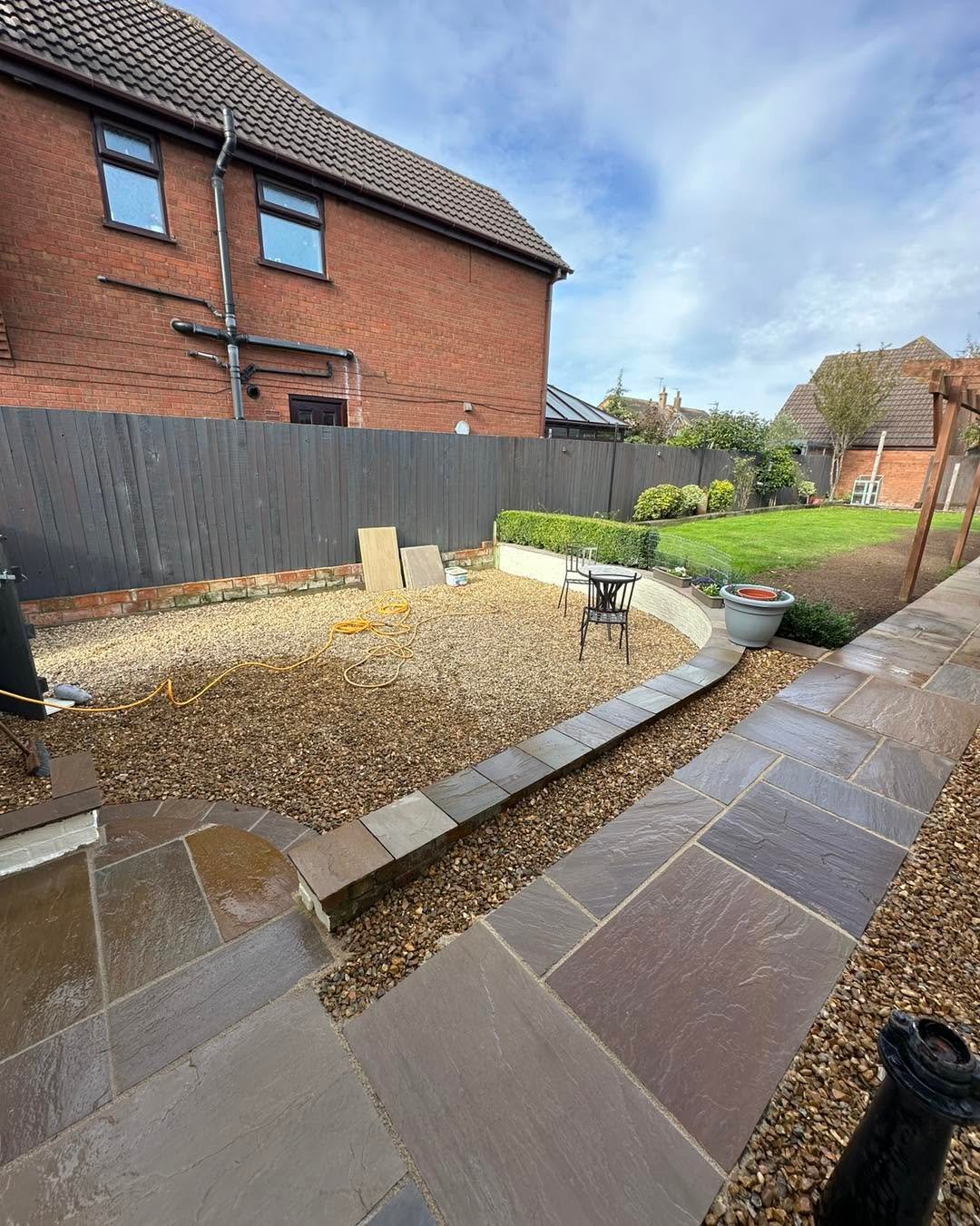
The exterior sets expectations before anyone steps inside. Small improvements at the front of a property often give an outsized return, especially if resale is on the horizon. A cleaned path, freshly painted masonry details, repaired gate, updated house numbers, and a better front door colour can shift the whole impression.
For brick homes, be careful with quick cosmetic fixes. Painting sound brickwork creates future maintenance where none existed before. Repointing only where mortar has genuinely failed is usually the better route. If render is cracked or hollow, investigate the cause rather than patching blindly. Water movement, trapped moisture, or previous poor repairs often sit behind the visible defect.
Windows are another area where blanket replacement is not always necessary. Timber windows with isolated decay can sometimes be repaired and upgraded with draught sealing. Older uPVC units that still function may only need new hinges, handles, seals, or trim work to look much better. That kind of practical thinking is at the heart of good Property Renovation Hull projects. You keep what still serves, improve what underperforms, and replace only what has reached the end of its useful life.
The overlooked role of ongoing upkeep
There is a close relationship between renovation and maintenance. Homes that receive regular, low-level care are cheaper to improve because defects stay small. Homes left untouched for years tend to produce surprise costs at every turn. That is why the conversation should include Property Maintenance HUll as much as one-off renovation work, even if some companies use the phrase mainly on service pages and estimates.
A resealed shower tray, cleaned gutters, repaired flashing, or repainted exterior timber can delay major expenditure by years. If you are phasing work over time, that matters. One of the most sensible strategies for budget-conscious homeowners is to split the project into two tracks. The first track handles essential maintenance and risk reduction. The second deals with room-by-room improvements as funds allow.
That approach is less exciting than a single dramatic makeover, but it is often more financially stable. It also gives you time to live with the house and make better decisions. Many people discover after six months that the room layout they planned to change actually works fine, while a neglected utility space causes more daily frustration than expected.
When DIY helps, and when it becomes false economy
There is nothing wrong with rolling up your sleeves, especially for decorating, demolition of non-structural elements, garden clearance, or simple finishing work. DIY can save meaningful money if you are realistic about your skill level and the time you can genuinely commit.
The trouble starts when homeowners blur the line between enthusiasm and competence. Tiling a splashback can be a weekend task. Reconfiguring plumbing behind a bathroom wall is not. Pulling up old carpet is straightforward. Altering electrics without proper knowledge is risky and may create compliance issues later. The same applies to structural changes. Knocking through between rooms might look simple once the plaster is off, but lintel calculations, temporary support, and building control requirements are not optional details.
A good rule is to do the work where mistakes are visible but recoverable, and hire out the work where mistakes become expensive, unsafe, or buried behind finished surfaces.
Choosing the right contractor can save more than chasing the lowest quote
The cheapest quote is often the most expensive route in hindsight. Budget renovation depends on competent sequencing, sensible material choices, and honest communication about what can wait. A seasoned General Contractor brings value not just through labour, but through coordination. They can spot where one decision affects three others. That is what keeps budgets from drifting.
When speaking to contractors, it helps to ask a few direct questions:
- What problems do you think are most likely once work starts?
- Which parts of this project would you phase if money became tight?
- Where would you repair rather than replace?
- What items should I buy myself, and what should you supply?
- How do you handle changes to scope once the job is underway?
Those questions reveal a lot. Experienced tradespeople rarely promise a renovation with no surprises, especially in older properties. What you want is someone who explains likely risks calmly and proposes workable contingencies.
It is also wise to ask for a breakdown between labour and materials where possible. Not every contractor prices this way, but even a broad split helps you understand where the money goes. You may decide to source tiles, sanitaryware, or internal doors yourself, though this needs coordination so the job is not delayed waiting for missing parts or incorrect sizes.
Phasing a renovation without making the house unlivable
Many households cannot move out during works, and that shapes what is practical. The trick is to tackle projects in zones and preserve one clean, functioning part of the house at all times. If the kitchen is being updated, set up a temporary station with a kettle, microwave, and fridge elsewhere. If a bathroom is out of action, make sure there is a clear plan for the second one, or time the work when family can stay elsewhere briefly.
Dust control matters more than people expect. Sealed doorways, floor protection, and sensible daily cleaning reduce stress and protect finished rooms. This is another area where methodical contractors earn their keep. The quality of site management often tells you as much about the likely outcome as the finish itself.
Phasing also lets you spread costs across tax years or bonus periods, which is helpful for families managing cash flow. You might complete external repairs and insulation first, then move to kitchen and bathroom upgrades later, then finish with decorating and flooring once the heavy disruption is over.
Renovating for value, comfort, or both
Not every home improvement needs to pay back pound for pound at resale. Some projects are worth doing because they improve how you live now. Better storage, warmer rooms, easier-clean surfaces, and a reliable shower all have daily value that does not show neatly on a spreadsheet.
That said, if resale is part of the plan, budget renovations perform best when they appeal to the broadest future buyer. Overly bespoke joinery, very bold finishes, and unusual layouts can narrow that appeal. Clean lines, durable materials, good lighting, and visible maintenance tend to do the opposite. They reassure buyers that the house has been looked after.
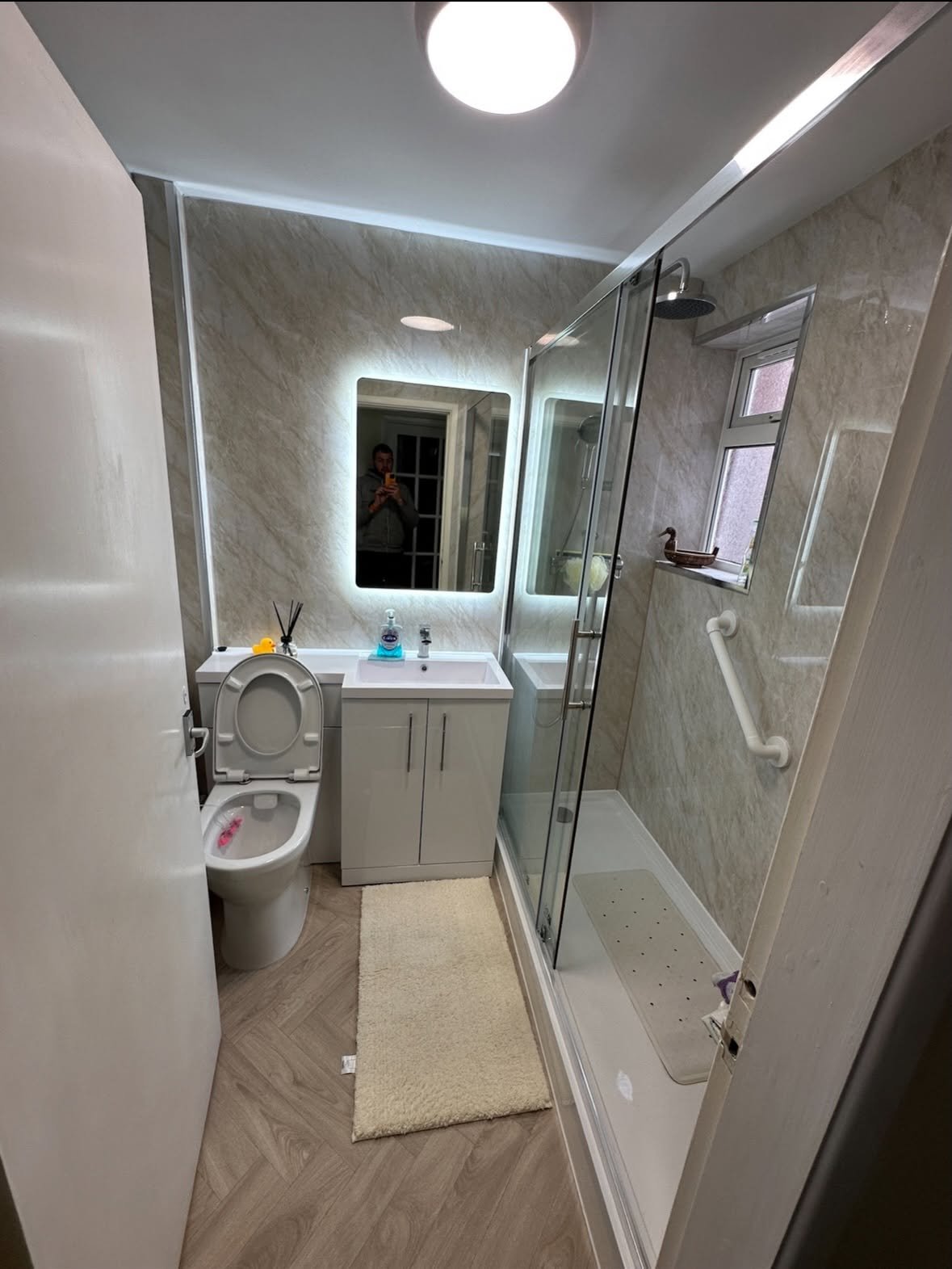
This is particularly relevant in a market where viewers notice signs of hidden expense quickly. A tidy kitchen with sensible storage, a bright bathroom with proper extraction, dry walls, and a neat exterior often creates more confidence than a house with flashy finishes but obvious unresolved basics.
The homes that respond best to a leaner approach
Some properties lend themselves especially well to budget-friendly upgrades. Standard-layout terraces, ex-local authority homes with generous room sizes, and older semis with sound structure often offer the best return because the bones are good. What they usually need is not reinvention, but refinement: brighter finishes, better heating efficiency, smarter use of space, and repairs that reset the maintenance cycle.
Even awkward homes can improve on a budget, but they require tougher choices. If ceiling heights are low, focus on lighting and visual simplicity. If the hallway is narrow, use colour continuity and slim storage. If a bathroom is tiny, choose wall-hung fittings only where they genuinely free floor area and justify the extra installation cost.
That is the real theme running through successful Property Renovation Hull work. Good outcomes rarely come from spending everywhere. They come from understanding the house in front of you, respecting its constraints, and using money where it changes daily life the most. A careful renovation may not look extravagant, but it feels solid, calm, and easy to live in. For most homeowners, that is the best return a budget can buy.
CHM Yorkshire Ltd
Hull
HU9 5BU
Tel: 01482 455159
Website: https://www.chmyorkshireltd.co.uk